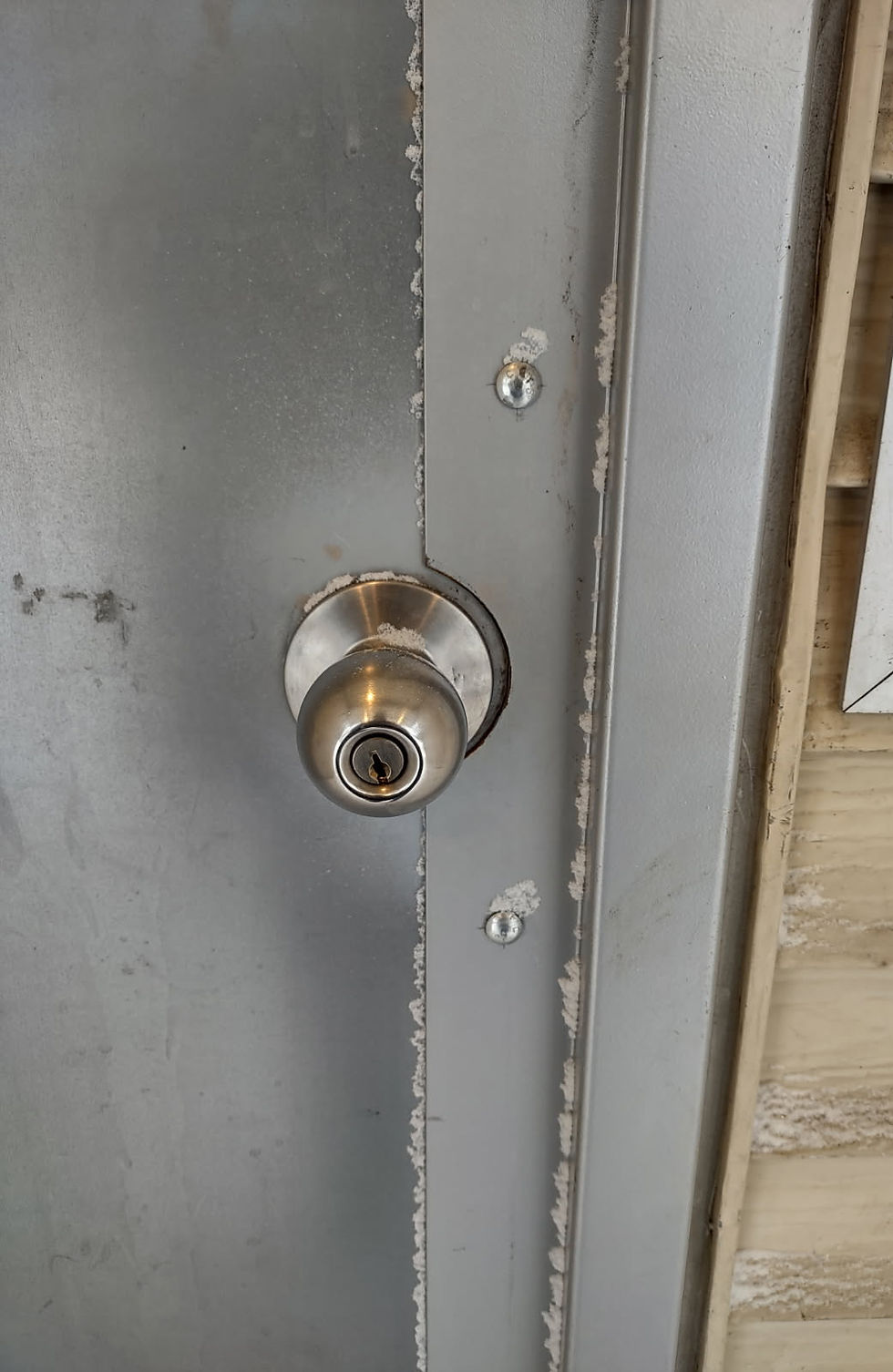
Automatic Door Repair vs Replacement

An automatic door that fails at the wrong moment forces a decision. Do you pay for another repair, or is it time to replace the operator? Property managers, strata councils and business owners face this choice more often than they would like, and the wrong call is expensive either way. Repair too long and you keep paying for emergency visits on equipment that is wearing out. Replace too early and you spend money on a door that only needed a new sensor.
This guide gives you a practical way to decide. It is written for commercial buildings, where automatic doors carry daily traffic, support accessibility and are often needed for a property to pass inspection.
Start With the Cause, Not the Symptom
A door that stops opening is a symptom. The cause might be a dirty sensor, a loose connection, an interrupted power supply, a worn belt or a failing control unit. Some of those cost very little to fix. Others point to an operator that is near the end of its life. If you want a quick list of warning signs first, read our post on the signs your automatic door opener needs replacing.
The decision should come after an inspection, not before. A technician who tests the sensors, activators, power supply, mechanical parts and safety devices can tell you what failed, why it failed and whether it is likely to fail again. Without that information, any comparison of repair and replacement cost is guesswork.
When Repair Is the Right Call
Repair usually makes sense when the problem is contained. Look for these conditions:
One component has failed. A sensor, push button, battery or control unit has stopped working, and the operator, door and track are otherwise in sound condition.
Parts are available. The operator is a model the manufacturer still supports, so parts are easy to source.
It is the first fault of its kind. A one-off failure on a door with a clean service history is very different from the fifth call in a year.
The door itself is healthy. It moves freely, the frame is square and the glass and hardware are intact.
In these cases a repair costs less than new equipment and gets the door back in service quickly. Our commercial door repair in Vancouver service is built for exactly this situation.
When Replacement Is the Smarter Choice?
Replacement starts to make sense when repairs stop solving the problem. Consider replacing the operator when:
Different parts keep failing. A sensor this month, a motor next, then the control unit. This pattern usually means the whole system is wearing out.
Parts are hard to find. Older or discontinued models can mean long waits, and a door that stays out of service for weeks is a security and accessibility problem.
The safety features are out of date. Older operators may lack the safety sensing and protective features that current equipment includes. A door that is not maintained properly can hurt someone, and the building owner is responsible.
Traffic has outgrown the door. A door specified for a quiet entrance and now serving a busy lobby will wear faster than planned.
You need to meet current accessibility requirements. Upgrading an existing door to current accessibility code is sometimes simpler with new equipment than with repairs to old.
Repair costs are catching up. When the repairs you expect over the next few years add up to close to the price of a new operator, replacement is usually the better investment.
How to Compare the Real Cost?
Do not compare one repair quote with the price of a new operator. That comparison ignores most of the cost of keeping an old door running. Compare these four numbers instead:
The repair quote for today's fault.
The likely cost of the next faults, based on the door's service history.
Emergency call-outs, and the time the entrance is out of service or insecure.
The price of a new operator installed, including the warranty on parts and labour.
Ask for both options in writing. Site visits and quotes from Push to Open Doors are free, so there is no cost to getting both numbers. Keep a simple record for each door: the date of each fault, what was replaced and what it cost. If you have a preventive maintenance program, the written condition report for each door shows how the door is wearing, which supports the decision alongside your own record.
What Replacement Actually Involves?
Replacing an operator does not always mean replacing the whole door. If the door, frame and track are in good condition, a new operator can often be fitted to the existing door. Push buttons and sensors can sometimes be reused when they are compatible with the new operator, and replaced when they are not. A technician checks all of this on site before quoting. For a full picture of what a new installation includes, see our page on automatic door installation.
Buildings With Many Doors
Strata buildings, office complexes and multi-site businesses rarely need every door replaced at once.
A better approach is to rank doors by condition and risk. Entrances that must stay open and secure come first, and low-traffic doors can wait. A preventive maintenance program with a written report on each door makes that ranking simple, and it is the reason many property managers choose service contracts for their buildings.
Learn more about strata door maintenance.
Make the Decision With Facts
A repair or replace decision should rest on an inspection, a service history and a clear quote, not on a sales pitch.
Push to Open Doors has repaired and installed commercial doors for more than 12 years, and every technician is AAADM certified, the North American certification for automatic door safety. That matters here, because a door that is not installed or maintained properly can hurt someone, and the building owner is responsible. We are registered with WorkSafeBC, we are members of ICBA, and we carry $3 million in liability insurance.
We serve Vancouver and the Lower Mainland, Victoria and Vancouver Island, and Calgary and area.
If a door in your building is giving you trouble, request a free quote and we will inspect it and tell you which option makes sense.
Frequently Asked Questions
Can I replace only the operator and keep my existing door?
Often, yes. If the door, frame and track are in good condition, a new operator can be fitted to the existing door. A technician checks the door's weight, alignment and condition on site first, and tells you if anything needs correcting before the new operator goes on.
Do the sensors and push buttons need to be replaced along with the operator?
Not always. Safety sensors deserve special attention, since they protect the people walking through the door. Have them tested and ask whether upgrading them makes sense while the door is already open for work.
What records help me decide?
The date of each fault, what failed, what was replaced, the invoice for each visit and the make and model of the operator. A few minutes of record keeping per visit gives you a clear picture of whether a door is getting better or worse.
Should I repair a door in a building we plan to renovate?
It depends on the schedule. If the renovation is close, a repair that gets you through is often sensible. If it is a year or more away, repeated repairs may cost more than replacing the operator once and carrying it into the new layout. Share the renovation timeline with your technician so the recommendation fits the project.